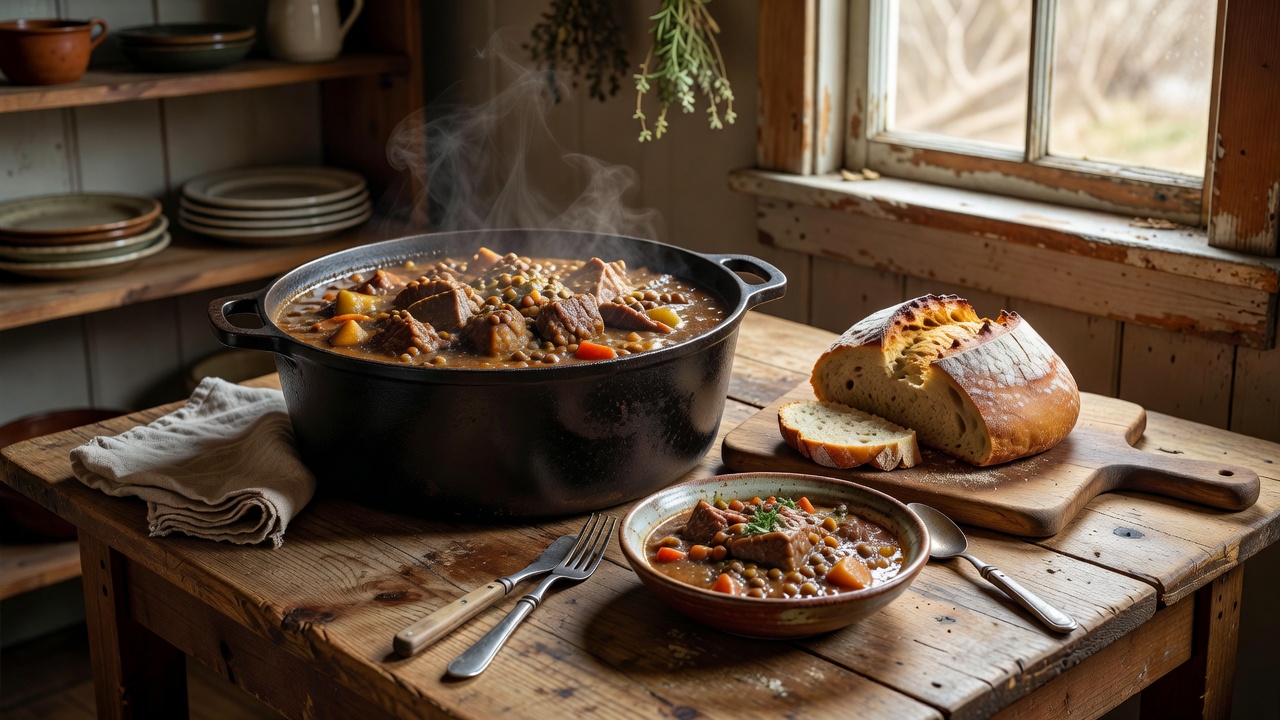
Budget-Friendly Protein Dinners
Hitting your daily protein goals doesn't have to require premium cuts of grass-fed steak or expensive fresh seafood. With a few smart shopping strategies and culinary techniques, you can prepare deeply satisfying, high-protein dinners on a surprisingly tight budget.
The Economics of Protein
When shopping for groceries, it helps to calculate the "cost per gram of protein" rather than just looking at the overall price tag of an item. For example, a bag of dried lentils might seem like a small amount of food, but its protein density and volume once cooked make it one of the most economical choices available.
Top Budget Protein Sources
1. Canned Tuna and Salmon
Canned fish is an unsung hero of the budget kitchen. It is shelf-stable, requires zero cooking time, and provides an excellent source of protein alongside healthy omega-3 fatty acids.
- Best Uses: Tuna salads, salmon patties bound with egg and breadcrumbs, or stirred into a warm pasta dish with garlic and olive oil.
- Buying Tip: Opt for chunk light tuna in water to minimize extra calories and mercury content if consuming regularly, or buy in bulk packs to lower the cost per can.
2. Ground Meats (Beef, Turkey, Pork)
Ground meats are significantly cheaper than whole cuts and are incredibly versatile. They form the base of countless globally inspired dishes.
- Best Uses: Hearty chilis, stir-fries, meatballs, and bolognese sauces.
- Buying Tip: Look for family-sized packs. You can portion and freeze what you don't immediately need. To stretch the meat further, mix it 50/50 with beans or finely chopped mushrooms—this adds bulk, fiber, and moisture while lowering the cost per serving.
3. Beans and Legumes
Whether dried or canned, beans are fundamental to budget cooking. Black beans, kidney beans, and chickpeas not only offer a solid amount of protein but also bring essential dietary fiber.
- Best Uses: Bean stews, curries, and burrito bowls.
- Buying Tip: Dried beans are the absolute cheapest option. Though they require soaking and longer cooking times, a single bag yields an enormous volume of food.
Flavor Optimization on a Budget
The main complaint about budget cooking is that it can taste bland. Cheaper proteins often require a bit more love to shine. The secret lies in your pantry staples. Investing upfront in soy sauce, spices (like smoked paprika, cumin, and chili powder), vinegar, and bouillon cubes will pay dividends over time.
A simple ground turkey and rice bowl can be transformed into an exciting meal with the addition of a quick soy-ginger glaze and a sprinkle of sesame seeds. Slow-cooking tougher, cheaper cuts of meat (like pork shoulder or chuck roast) breaks down the connective tissues, resulting in melt-in-your-mouth textures that rival expensive restaurant dishes.
Sample Budget Dinner: The Ultimate Lentil Chili
A pot of lentil chili is a prime example of high-protein budget cooking. By combining a pound of brown lentils, crushed tomatoes, onions, garlic, and standard chili spices, you create a massive pot of food. Add a small amount of ground beef or turkey if you prefer a meatier texture, but the lentils alone will provide substantial protein. This meal scales easily, freezes perfectly, and often tastes better on the second or third day as the flavors meld.
Conclusion
Eating well on a budget requires a shift in perspective. Move away from the idea that a dinner must center around a large, solid piece of meat. By embracing mixed dishes—like stews, casseroles, and stir-fries—and utilizing cost-effective ingredients like legumes, canned fish, and ground meats, you can enjoy delicious, high-protein dinners that respect your financial goals.