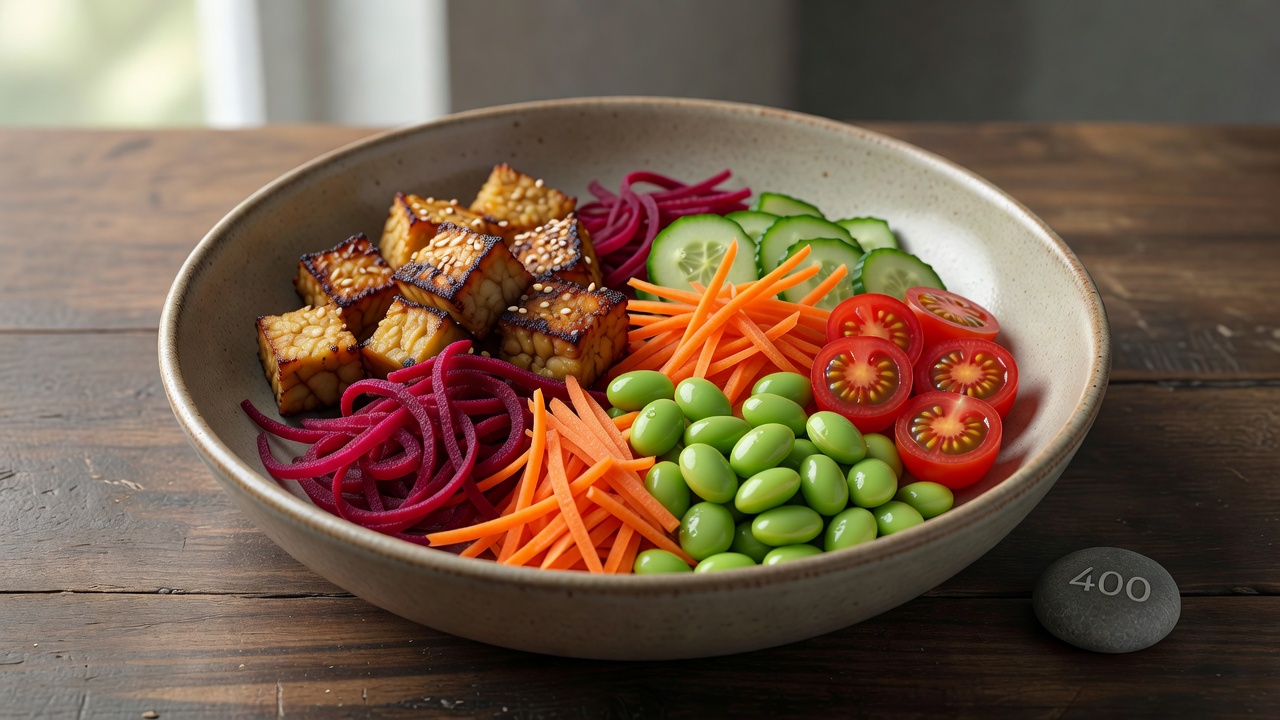
Plant-Based Protein Meals
Transitioning to a plant-based diet, or simply incorporating more meatless days into your week, brings fantastic health and environmental benefits. However, a common concern is how to acquire sufficient protein without relying on animal products. Fortunately, the plant kingdom is rich with protein-dense options.
Understanding Plant Amino Acids
Proteins are made up of amino acids. While most animal proteins are "complete" (containing all nine essential amino acids), many plant proteins are "incomplete," lacking one or more. For years, the prevailing advice was to meticulously combine complementary proteins (like rice and beans) in the same meal. Modern nutritional science has shown this is unnecessary; as long as you eat a varied plant-based diet throughout the day, your body will pool the amino acids to build the proteins it needs.
Powerhouse Plant Proteins
1. Soy Products (Tofu, Tempeh, Edamame)
Soy is unique among plants because it is a complete protein. It is incredibly versatile and takes on the flavors of whatever it is cooked with.
- Tofu: Available in silken (great for smoothies and sauces) to extra-firm (ideal for baking and stir-frying). Extra-firm tofu provides about 15-20 grams of protein per half-cup serving.
- Tempeh: Fermented soybeans pressed into a block. It has a nutty, earthy flavor and a firm texture, boasting over 30 grams of protein per cup.
- Edamame: Young soybeans that make an excellent snack or salad addition, offering roughly 17 grams of protein per cup.
2. Seitan (Wheat Gluten)
Also known as "wheat meat," seitan is made by washing the starch out of wheat dough, leaving behind strands of pure gluten protein. It has a remarkably meat-like texture and is extremely protein-dense, offering up to 25 grams of protein per 3-ounce serving.
Note: Seitan is strictly to be avoided by anyone with Celiac disease or a gluten intolerance.
3. Legumes and Pulses
Lentils, chickpeas, black beans, and peas are foundational to plant-based cooking. While slightly lower in protein density compared to soy or seitan (averaging 12-15 grams per cooked cup), they make up for it with immense amounts of dietary fiber, keeping you full and supporting gut health.
Comparing Plant Proteins
| Protein Source | Protein (per 100g) | Notable Benefits |
|---|---|---|
| Seitan | ~25g | Meat-like texture, highly dense |
| Tempeh | ~19g | Fermented for gut health |
| Firm Tofu | ~16g | Highly adaptable flavor |
| Lentils (cooked) | ~9g | High fiber, rich in iron |
Flavoring Plant Proteins
The key to enjoying plant-based proteins is mastering marinades and cooking techniques. Tofu, for example, is notoriously bland straight from the package. To elevate it:
- Press it: Remove excess water to improve texture.
- Marinate it: Use soy sauce, maple syrup, garlic, and ginger.
- Coat it: Toss lightly in cornstarch before cooking for a crispy exterior.
- Bake or Fry: High heat yields the best texture.
Conclusion
Building high-protein, plant-based meals is an exciting culinary journey. By familiarizing yourself with soy products, seitan, and a variety of legumes, you can construct meals that are just as satisfying, savory, and macro-friendly as their meat-based counterparts.